COPPER CATHODE BUYING GUIDE
Copper Cathode Buying Guide: Grade, Assay and Delivery
Learn how to evaluate copper cathode offers by grade, impurity limits, producer identity, bundle weight and shipment documents.
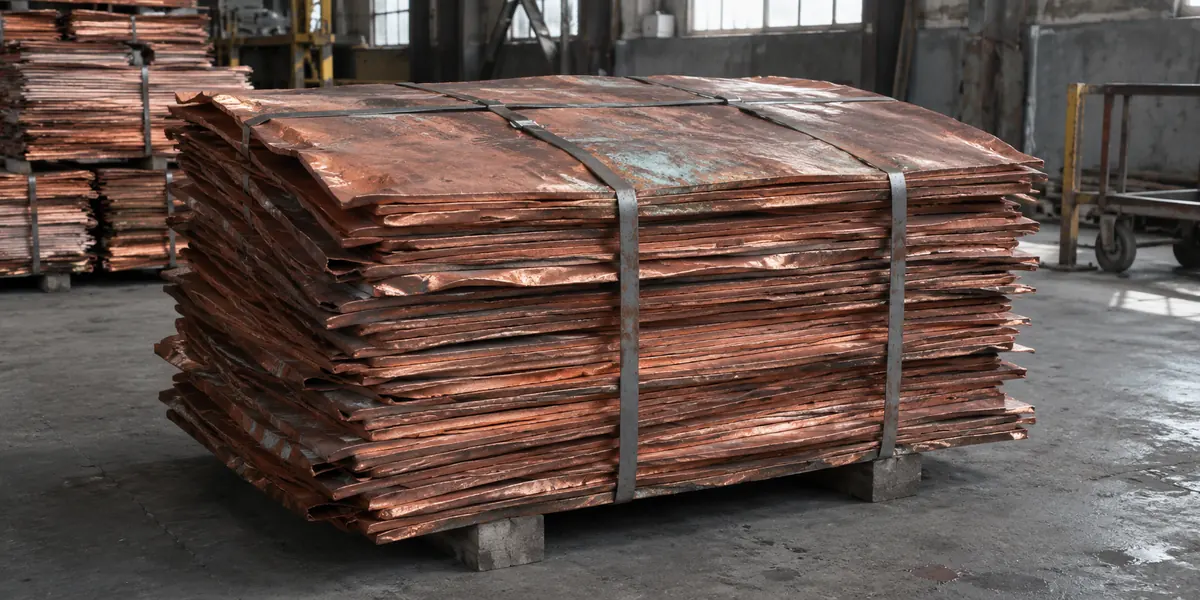
Define which copper cathodes your operation can use
Buying copper cathodes starts with the material your receiving plant can process. Describe the end use, the grade the technical team accepts and the physical form that fits the plant's handling equipment. Include a written specification in the first request. A proposal that meets the chemistry requirement may still need review if the plate dimensions or bundle weights are incompatible with the receiving line.
Record whether the buyer needs full plates, accepts cut pieces or requires a specific producer. Ask for recent photographs of the proposed material and a packing example. The initial review should establish which details are fixed requirements and which can be adjusted without affecting production.
Separate a chemistry designation from exchange eligibility
The London Metal Exchange publishes separate chemical composition tables for the standards listed in its Grade A rules, including BS EN 1978:2022 Cu-CATH-1. These tables show why a headline copper percentage is an incomplete description. Individual impurities and grouped limits are part of the assessment. Use the agreed standard and edition when preparing your own comparison sheet.
Exchange delivery eligibility also involves the applicable exchange rules, including approved brand and physical form. If your order requires eligibility, verify the exact producer brand against the applicable exchange list and specify what evidence the seller must provide. For a direct industrial purchase with different requirements, record the acceptance criteria your plant actually uses. The wording of the purchase order should make the intended distinction clear to both parties.
Read the assay beside the agreed limits
Request a certificate of analysis with the producer, lot reference, sampling date, methods, reporting units and results. Put the contract limit beside each reported value. This makes the document easier to review and helps distinguish a value that passed from one that was omitted. Where the report uses a less-than symbol, check the reporting threshold. A threshold above your limit leaves an open question.
Keep the units consistent. For example, 0.001 percent by mass is 10 parts per million. A unit conversion does not remove differences between test methods or preparation. Ask your technical reviewer to check the basis of the result before treating two certificates as equivalent. Agree how retained samples and repeat testing would be handled if the buyer and seller receive different results.
Confirm producer identity and lot traceability
A transaction may involve a producer, an intermediary, a warehouse and a carrier. Identify which party is responsible for each document. The producer name on a certificate, the brand on the bundle and the seller listed on the invoice may appear in different fields for legitimate reasons. Ask for a document trail that explains those relationships and connects them to the offered stock.
Request a packing list with identifiable bundle references. If more than one producer or production lot is offered, ask how the bundles will be separated and how quantities will be reconciled. A historic certificate can illustrate the reporting format. The shipment release decision needs documents tied to the bundles that will actually move.
Review dimensions, plate condition and unloading
Tell the supplier the range of plate dimensions and bundle weights the receiving site can accommodate. Ask for the proposed dimensions, approximate bundle count, securing method and loading arrangement. Check those details with the warehouse or plant team before approval. The procurement team may see a standard bundle where the receiving team sees an unloading constraint.
Agree how the condition of the plates will be inspected. Useful photographs show the stack, edges, strapping, markings and any areas that need clarification. Photos can support a visual condition review, while the agreed analytical report addresses chemistry. Establish what will be recorded if bundles arrive with damaged strapping, missing identifiers or visible contamination. Assign a point of contact who can decide whether the material should be held for inspection.
Compare net weight and the quotation formula
Compare proposals on a common quantity basis. Clarify whether the quoted price applies to net cathode mass and what the gross shipping weight includes. Ask which weighing record will be used for the invoice and what happens if the receiving weight differs. The tolerance, measurement point and procedure for resolving discrepancies should be explicit.
Where a quote references a benchmark, record the exact reference, currency, pricing window and premium or discount. Ask when the price becomes fixed and which charges are included in the quoted figure. For a simple illustrative comparison, two offers can share a benchmark price while assigning freight and inspection to different parties. Compare the complete delivered cost under the same assumptions before ranking the offers.
Agree what must be checked before dispatch
Build a release list with the purchase order, analysis, bundle list and the applicable origin and transport documents. Define which items must be available for review before loading. If independent inspection is part of the purchase, specify what the inspector is expected to check, who appoints them and how the report will identify the material.
Confirm the delivery point and who handles transport, loading and unloading at each step. The buyer should confirm with the responsible parties which documents and checks apply to the proposed origin, destination and route. Avoid assumptions based on a previous shipment to a different market. Document any unresolved items with an owner and a deadline before dispatch.
Agree how to record changes after inspection. If a bundle has to be replaced, the packing list and any document that identifies the lot should reflect the substitution before the carrier receives the goods. Ask the receiving team to compare the final bundle references with the release record, especially if the delivery is split across vehicles.
Prepare a copper cathode inquiry
Send the material grade and edition, approximate net tonnage, accepted plate form, bundle constraints and delivery point. Add your analytical requirements and say whether a particular producer or exchange eligibility is essential. Include the documents your team needs and the point at which it intends to approve the lot.
When a proposal comes back, review the offer in the same order. Confirm chemistry and identity first, then assess physical fit, documentation and commercial terms. Keep a single agreed copy of the specification and record any revisions against the purchase order. That gives purchasing, the laboratory and the receiving team a common basis for deciding when the shipment can be accepted.